

 write a review
Office Location
608 West 12th Street, Suite B Austin, TX 78701
legalassistant@wm-attorneys.com 512-369-3737 get direction
Read our reviews and see that for the past 20 years, we have been serving clients in the Austin area with integrity, passion, and fortitude.

When clients hire us, it's oftentimes to protect their precious future which is why we focus on criminal defense exclusively

Our reviews are real (!!) and they tell our firm's story of how we have advocated for hundreds of our Austin clients over the years.

We work very hard to protect your time, your money, your freedom, and your reputation. The best evidence of this is our 99% dismissal rate for our clients.
RESULTS. REPUTATION. RELATIONSHIPS.
Being charged with a crime that can affect your future, livelihood, and family is one of the most terrifying challenges a person can face. When stakes like this hang in the balance, you must get the best possible legal representation to help preserve what matters most. If you’re in this sort of legal situation, we highly encourage you to read the reviews our law firm has received from individuals like you.
For over 20 years, Austinites like yourself have trusted David White and his law firm to fight on their behalf and deliver incredible results.
The Law Office of David D. White, PLLC: Austin Criminal Lawyer is the best possible choice in Austin to provide Criminal Defense to individuals facing serious criminal charges that jeopardize their future.
“When you hire me, you get me. Not my admin, not my associates. I’ll meet, talk, text, and work with you directly to get you the best possible outcome in your case.”

David D. White
Criminal Defense Lawyer
Yes, some firms advertise more than us, with more billboards and TV ads than us. But chances are, those lawyers you see on those same billboards and TV ads will not be the person or people you have access to once you hire those firms.
At the Law Office of David D. White, PLLC: Austin Criminal Lawyer, we have spent 20 years working hard for our clients in Austin to develop a reputation as one of the most respected Criminal Defense Law Firms in Austin, TX.
Why do clients, judges, and even opposing attorneys hold us in high regard? Because we put our clients first.
When you hire us, you get direct access to David White, our managing partner. He will meet directly with you in person, over Zoom, over the phone, or even over text. While you will also work with his team, you will never be “passed over” to someone with little experience or insulated from talking to David about your case. David takes a much more “hands-on” approach with our clients than other criminal law firms in Austin tend to do.

available 24/7
Arrested for a crime? You need a skilled defender in your corner. I’m David D. White, founder of the Law Office of David D. White, PLLC: Austin Criminal Lawyer and I’ve been defending the rights of central Texans for nearly 20 years. From misdemeanors to state and federal criminal charges, I’ve helped thousands of people receive the best outcome possible.
While many of Austin Criminal Defense firms will boast hundreds of reviews and make bold claims about how they will get you results, we STRONGLY encourage you to read some of those reviews yourself. Then we’d encourage you to read our reviews and determine for yourself which of those reviews were written by REAL people facing REAL legal problems like you are.
We also encourage you to ask yourself, what type of law firm will likely give me a higher level of representation in my criminal case; a law firm with hundreds of broad, generic (dare we say fake) reviews OR a firm whose clients are grateful enough for their legal outcome that have left a genuine endorsement of their legal counsel?
With your future on the line, put your trust in your firm that leaves a REAL track record of excellence and a reputation for results,
Call us today for a free consultation.







At the Law Office of David D. White, PLLC: Austin Criminal Lawyer, no case is too big or too small. Whether you’ve been charged with a misdemeanor, state or federal crime, I will create a personalized defense strategy designed to secure the most favorable outcome for you.

I handle all driving while intoxicated (DWI) cases. Whether you’re a first offender or facing an intoxication manslaughter charge, you can rely on me to fight to protect your rights. Contact us for guidance and representation by an experienced Austin DWI lawyer.

Choose The Law Offices of David D. White for representation by an experienced Austin assault lawyer. I’ll craft an effective defense against your assault charges. Penalties for assault in Texas range from paying a fine to prison time. Let me help you fight the charges.

Sex crimes are taken very seriously in Texas. Sexual assault charges are not only sensitive but can also turn your life upside down. Turn to our law firm for defense by an experienced Austin sexual assault lawyer and ensure your rights are protected.
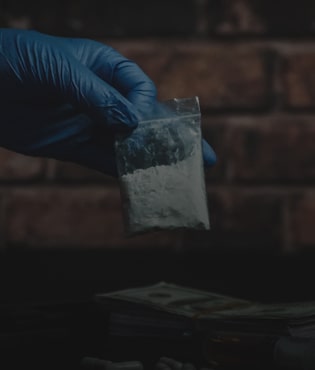
Drug charges in Texas are taken seriously especially if there was an alleged intent to distribute. Attorney David D. White is an experienced Austin drug charges lawyer. Contact our law firm to learn your legal rights and options.

Domestic violence cases are not only sensitive but often very complex. These charges are treated with more severity than when assault involves a stranger. Contact us for representation by an experienced Austin domestic violence lawyer for representation against malicious domestic violence charges.

Are you facing charges for tax fraud, Medicaid Fraud, securities fraud or other white collar crimes? Contact us for representation by an experienced Austin white collar crime lawyer. Attorney David D. White is experienced in handling a wide variety of white collar crime cases.

Federal crimes include violations of U.S. federal laws. Federal offenses are prosecuted by government agencies and are punishable by penalties that are more severe than penalties for charges prosecuted at state courts. Contact us for representation by an experienced and skilled Austin federal crime lawyer and ensure your rights and freedom are protected.

Texas has a reputation for penalizing those convicted of murder harshly. Fight murder charges and ensure your rights and freedom are protected with the help of an experienced Austin homicide defense lawyer from our law firm.

Don’t let a mistake or misunderstanding be the reason your freedom is taken away from you. Work with an experienced Austin probation revocation lawyer from our law firm to defend your rights and freedom.

Expungement is an opportunity to get a fresh start and put your past mistakes behind you. Let our Austin expungement lawyer help you erase your criminal record and get that second chance you need so badly.
clients Testimonials
We have Multiple Five Star Reviews from happy clients on Google and Avvo

We Cannot Thank David Enough I dealt with David around 2011 for a DWI in Austin. He was really effective with my case at hand and guided me through the whole process with ease and Peace of mind. Thank you again.
Strongly Recommend David White I called David last August after my daughter got a minor in possession while away in college. My wife & I were terrified that this mistake might cost our daughter dearly. Luckily for us, we found David to take care of this for us. He walked us through the process during the initial free consultation. Several months later the case was dismissed and ultimately expunged. We cannot thank David enough for all his help...
Pulled off a Miracle First, let me start with the staff. They are absolutely the most courteous and professional staff I have dealt with over the last few years. They are always punctual with reminders about court dates and times as well as relaying any information you have for David (he is an attorney and is often in court in the mornings). As far as David is concerned he is lights out as far as an attorney is concerned. He knows the law as it pe...
Amazing! David White was the first phone call I made when facing charges for my first time. I called his office on a Sunday, during a holiday weekend (July 3rd) and received a call back that immediately put me a little bit more at ease. After my first meeting with him, I felt that he was as forthcoming, honest, and realistic as an attorney could be. He thoroughly prepared me for everything you can imagine and was direct and concise while explainin...
Great professional lawyer Mr White was absolutely amazing! Mr White was able to get my DWI dismissed, save my driving record, reputation and career. Made the process easy and absolutely stress free. Could not have asked for a better lawyer! Would give 10 stars if I could!
Great Lawyer I liked the fact that he was fair, understanding and very easy to work with. Every time l talked to David, he made me feel at ease and he explained everything clearly. The terms of payments were fair and David ensured that l was able to pay my bills and not starve while paying for his services.
Oustanding Counsel David did a great job in defending me and jumping through all the legal hurdles. Here in Texas the legal system makes you repeatedly show up for court appearances that they continually reschedule and delay. David was always there for my questions, legal appearances, advice, etc. Very professional, knowledgeable, and experienced. Couldn’t of asked for better
Use White and save Green David White, Attorney at Law has been by far the most respectable, diligent, and driven attorney one could possibly hope for! I was referred to him by a family member as well as friend. I couldn’t have made a better decision in an attorney to represent me in Travis County. I made a mistake that could have made the rest of my life more difficult. He met with me and was extremely honest with with me about my case and the p...
Quick and stress free process Not only did David get my Class A dismissed quickly (2 months from arrest date to dismissal date) but he did for substantially less then all of the other lawyers I had contacted before him. I highly recommend David ‘s services to anyone in need.
Mr. White has your back I was referred to David White by UT Legal Services (I was a previous student) and I am very happy they did! He is very thorough, friendly, easy to reach, and most importantly: works quickly. He successfully completed my expunction process for a class C misdemeanor. I no longer live in Austin and he handled my case entirely over the phone with no problems. During my consultation he patiently answered all my questions. After ...
Over exceeded my expectations!! Mr. White is an amazing lawyer. He helped me through one of the scariest periods of my life, going through the legal system. I didn’t want to do it alone, but I wanted someone I knew I could talk to and would get results. Well, Mr. White succeeded! I got a dismissal and I have a date set to see if I can file for early expunction. It’s the best case scenario I could have asked for!
Amazing lawyer!! David White over exceeded my expectations. He was very honest and upfront. He didnt over promise. He’s a great person and a great attorney. I would highly, highly recommend him to defend you. He will get the job done.
why choose us?
Facing criminal charges? I will champion for you. Don’t fight this alone.

I’m passionate about criminal defense and helping people who are wrongfully accused. The other side doesn’t always play by the rules. My mission is to protect the rights of the accused and ensure they receive the best possible outcome.

I will lead the way, but I also believe in working as a team to build the strongest case possible. I respect
my clients and want to hear what they have to say. Whether it takes two weeks, two months or two years, we’re in this together.

No two cases are the same. From the moment we work together, I personally work on every aspect of your case to build a customized defense strategy. I maintain this same level of attention and service throughout the entirety of your case, from start to finish.

I’ve been practicing criminal law for nearly 20 years and have achieved thousands of dismissals. I’m skilled at negotiating favorable outcomes but am always ready to take a case to trial. I have the experience you need in a skilled criminal defense attorney.
We are available 24/7 to speak with you
request free consultation Call Us: 512-369-3737
 AUSTIN CRIMINAL DEFENSE LAWYER

about
David D. White has defended the rights of those accused of crimes in Austin, Texas since 2008. He has a track record of successfully defending individuals facing a wide variety of charges. From the very first meeting at our law firm, you will recognize that you can expect much more than you would from other criminal defense lawyers.
The Law Office of David D. White, PLLC: Austin Criminal Lawyer is a client-focused law firm. We fight to preserve the presumption of innocence on behalf of our clients in all criminal cases we take. We believe that everyone is entitled to a fair trial and strive to provide our clients with the best possible defense to ensure that this is true.
Attorney David D. White approaches each case with the care and attention it deserves. We never treat any two cases as the same. When we take your case, you can expect that we will dedicate our time, resources, and energy to fight to protect your rights. You can rely on us for the highest level of support and the best representation from start to finish.
meed David D. White
David makes the impossible, possible. - Jacob W.
“He does the work of 10 attorneys.” - Tammy C.
“He does the work of 10 attorneys.” - Tammy C.
When you are accused of a crime, your future hangs on a balance. The consequences of a criminal charge go beyond paying a fine or serving a jail sentence. Your reputation will be ruined and you may never be able to live the life that you always wanted. You may lose your professional license, and find it difficult to find employment or secure housing. We work with these consequences in mind to protect your rights and freedom.
At the Law Office of David D. White, PLLC: Austin Criminal Lawyer, we will provide you with the best quality legal assistance and representation. We will:


top rated criminal defense attorney
We approach each case as unique. We will give your case the time, resources, and energy it needs to ensure the best outcome.
We know that the best outcome is only possible when our clients understand the situation. We will explain the charges against you and ensure you understand your rights and the legal options available to you.
We will weigh the legal options available to you. We will determine the best approach to take in your case for the best outcome.
Attorney David D. White is a skilled negotiator. He has experience negotiating with prosecutors in Austin. We will work to get the best plea deal, to get your charges reduced or dismissed.
We will investigate your case thoroughly. We will use the resources available to us to build a strong case on your behalf.
We will fight vigorously to protect your rights. We will counter the prosecution’s arguments and poke holes in their case.
At the Law Office of David D. White, PLLC: Austin Criminal Lawyer, we treat each case as unique. We will give your case the care and attention it deserves. We will fight for the best possible outcome.
The steps you take after being arrested in connection with a crime can either benefit your case or have adverse effects on it. If you or a loved one has been arrested:



You have the right to remain silent after an arrest. You should assert this right in order to avoid making incriminating statements. It is best not to speak to the police, even if it is to tell them you are innocent until you have spoken to an experienced criminal defense lawyer.

You have the right to an attorney. Law enforcement officers are required to stop any interrogations when you ask for an attorney. It is best to have an experienced criminal defense attorney present while you are being questioned. We will ensure that your rights are protected and that you don’t say anything that could damage your case.

Don’t hire just any attorney for your case. Contact The Law Offices of David D. White and ensure that you have the best defense. We are committed to fighting to defend the rights and freedom of those accused of crimes. We will defend you aggressively and work to get the best possible outcome.
FREQUENLY ASKED QUESTIONS
Have you been charged with a crime? Have you or someone you love been arrested in connection with a crime? Contact the Law Office of David D. White, PLLC: Austin Criminal Lawyer with all your questions. We’d be glad to discuss your case and provide you with the answers you are looking for.
Don’t hesitate to contact us when you’re facing criminal charges or have been arrested in connection with a crime. You should never speak with the police without first speaking with an experienced criminal defense attorney. Not all charges or arrests result in a conviction for a crime. We will act quickly to protect your rights and freedom. We will help you avoid mistakes that could make matters worse.
Being arrested can be an incredibly stressful experience. Securing your freedom is our first goal. We will fight to secure your freedom and help you return to your life. We will represent you and explore all options to secure your freedom.
Has the prosecution offered you a plea bargain? Contact us to discuss your case with an experienced criminal defense attorney. Don’t accept a plea bargain without first exploring all the options available to you. We will ensure you understand the charges against you, the potential for a conviction, and the consequences of taking a plea deal. We will also negotiate for the best possible deal.
Rest assured that you will have a fair trial when you choose our team to defend you. We will advocate for the best possible outcome on your behalf. We will fight to protect your rights and freedom.
The criminal justice system in Texas is quite complex. Without the guidance and representation of an experienced criminal defense attorney, you will most likely be prosecuted and penalized to the full extent of the law. At The Law Offices of David D. White, we believe that everyone should receive a fair trial. We will fight aggressively to defend your rights and work to protect your freedom. We will:
DUI is only one area of criminal law. A criminal defense attorney will have experience not only working on DUI cases but also in other areas of criminal law. It is best to hire an attorney with experience in different areas of criminal law as many DUI cases often involve other criminal charges.
If you have been charged with a crime, you should consider the following factors when hiring an attorney.
Your actions after being stopped for a DWI can either make or break your case. You should be polite and follow the instructions given to you by law enforcement. Do not say more than you need to. You may say something that could be incriminating. Provide proof of your driver’s license, vehicle registration, and insurance. Be sure to contact an attorney as soon as possible if you are arrested for DWI.
It is in your best interests to hire an experienced criminal defense attorney when facing criminal charges. Your attorney will represent you and ensure your rights are protected.
There are many criminal defense firms in Austin. You can find the right firm by:

latest news
Helpful information, news about the firm and latest updates
Manslaughter is a serious criminal offense that involves the unlawful killing of another person. In Texas, manslaughter falls under three categories: voluntary, involuntary, and vehicular. While both offenses carry severe penalties, you may be wondering if probation ...
What are the potential outcomes of failing to comply with drug testing requirements? Can having an Austin criminal defense lawyer can help you navigate a missed drug test while out on bond? We’ll answer these questions and provide a few points you might not have co...
What happens to your driver's license if your DWI case is dismissed? You might be wondering if is your license suspended immediately after a DWI in Texas as well. Below is some general information, but if you are facing DWI charges, don't hesitate to reach out to the...
608 West 12th Street, Suite B Austin, TX 78701
legalassistant@wm-attorneys.com 512-369-3737 get direction